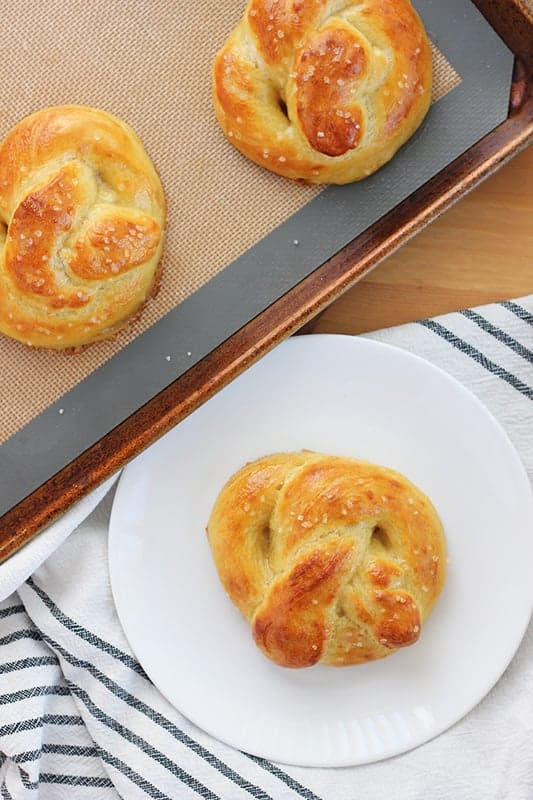
The Allure of Homemade Soft Pretzels: A Taste Revolution
There's an undeniable magic to a perfectly baked soft pretzel: that inviting golden-brown crust, giving way to a warm, impossibly chewy interior. It’s a comfort food staple that evokes memories of bustling street vendors, mall food courts, or cozy family gatherings. While grabbing a store-bought version is undeniably convenient, nothing quite compares to the unparalleled flavor and immense satisfaction of a homemade soft pretzel. Once you experience the difference, with its fresh ingredients and superior texture, you'll understand why so many home bakers are ditching the packaged varieties for good. In fact, mastering this delicious treat at home is far simpler than you might imagine, and the results are truly transformative. If you're ready to elevate your baking game and enjoy truly authentic flavor, then get ready to dive into the world of homemade soft pretzels. For a comprehensive guide to getting started, consider exploring articles like
Master Easy Homemade Soft Pretzels: Ditch Store-Bought Forever.
What Makes a Soft Pretzel So Special?
Soft pretzels are more than just a twist of bread; they are a unique culinary creation, believed to have originated in Germany. This rich heritage is why they're often affectionately known as "German soft pretzels." Their distinctive character comes down to a few critical steps that set them apart from other breads:
- The Alkaline Bath: This is the game-changer, the secret ingredient that gives pretzels their unique texture and color.
- Shaping: The iconic pretzel twist isn't just for looks; it contributes to varying textures within the pretzel.
- Egg Wash: A final brush before baking ensures that beautiful glossy finish.
These elements combine to create a snack that is simultaneously soft and chewy, with a depth of flavor that a simple bread dough can't achieve on its own.
The Alkaline Advantage: Unveiling the Golden Secret
The true cornerstone of any great soft pretzel recipe lies in a technique that might seem unusual to the uninitiated: the alkaline water bath. This brief dip, typically just 30-60 seconds in simmering water infused with a food-grade alkali, is what transforms a simple bread dough into that iconic pretzel we know and love. Without this crucial step, you’d simply end up with a very tasty, twisted bread roll, but not a true soft pretzel.
The Science Behind the Chewy, Golden Crust
So, what exactly does this alkaline bath do?
- Elevated pH Levels: Adding an alkali like baking soda (sodium bicarbonate) to boiling water significantly raises its pH. When the pretzel dough enters this high-pH environment, the surface starches begin to gelatinize and break down in a way that wouldn't happen in plain water.
- Enhanced Maillard Reaction: This altered surface chemistry dramatically accelerates the Maillard reaction during baking. The Maillard reaction is a complex chemical process responsible for the browning and development of rich, savory flavors in many foods, from seared steaks to toasted bread. The elevated pH provided by the alkaline bath supercharges this reaction, allowing the pretzels to achieve their deep golden-brown hue and complex flavor profile much faster and more intensely than if baked without it.
- Textural Transformation: The alkaline bath also contributes directly to the pretzel's signature chewy crust. It causes the outer layer of the dough to firm up and become slightly leathery, preventing it from puffing up too much in the oven and creating that delightful textural contrast against the soft interior.
While traditional German pretzels often use food-grade lye (sodium hydroxide) for an even more intense effect, baking soda is a readily available, safe, and highly effective alternative for home bakers, delivering fantastic results without the handling risks associated with lye. This simple yet profound step is truly the "secret sauce" for that perfect, craveable chew and stunning color in your homemade soft pretzels.
Crafting Your Perfect Soft Pretzel Recipe: Ingredients and Method
Creating delicious soft pretzels at home requires only a handful of everyday ingredients and a straightforward process. The beauty of this soft pretzel recipe is its reliance on simple pantry staples, ensuring an authentic and incredibly flavorful outcome. For an even quicker route to pretzel bliss, check out our guide on the
Best Soft Pretzel Recipe: Fluffy, Buttery & Ready in 1 Hour.
Essential Ingredients
Here’s a breakdown of the key components and their roles in your soft pretzel recipe:
- Brown Sugar: More than just sweetness, brown sugar provides essential food for the yeast, aiding in its activation and contributing a subtle, desirable hint of molasses flavor to the dough.
- Warm Water: Crucial for activating the yeast. Ensure it's warm (around 105-115°F or 40-46°C), not hot, as too much heat can kill the yeast.
- Yeast (Instant Rise Recommended): This is the leavening agent that gives your pretzels their rise and that delightfully soft, fluffy interior texture. While active dry yeast works, instant rise yeast (also known as quick rise) is often preferred for its convenience, as it can be added directly to dry ingredients without proofing.
- Unsalted Butter: Melted butter adds a rich flavor and tender crumb to the dough, ensuring your pretzels aren't just chewy, but also deliciously buttery.
- Sea Salt: Used both within the dough for seasoning and as a finishing sprinkle on top. The coarse texture of sea salt provides that classic pretzel experience.
- All-Purpose Flour: The fundamental building block of your dough. While other flours can be experimented with, all-purpose flour provides a reliable structure for soft, chewy pretzels.
- Baking Soda: The star of the alkaline bath, responsible for initiating the browning process and developing that signature chewy crust.
- Egg Yolk with Cold Water (Egg Wash): Whisked together, this creates a simple but effective egg wash. Applied just before baking, it gives the pretzels their irresistible shiny, golden-brown finish.
The Step-by-Step Process: Bringing Your Pretzels to Life
1.
Activate the Yeast: In the bowl of your stand mixer (or a large mixing bowl), combine warm water, brown sugar, and yeast. Give it a gentle whisk and let it sit for 5-7 minutes. You're looking for a foamy raft to form on the surface, indicating your yeast is alive and ready to work its magic.
2.
Mix the Dough: Once the yeast is activated, attach the dough hook (if using a stand mixer). On low speed, gradually add the melted unsalted butter and sea salt. Begin incorporating the all-purpose flour, one cup at a time, allowing each addition to mix in before adding the next. Once all the flour is added, increase the mixer speed to medium-low and continue mixing until a smooth, elastic dough forms. This usually takes about 5-7 minutes. If mixing by hand, knead on a lightly floured surface until smooth and pliable.
3.
First Rise (Proofing): Lightly grease a clean bowl, place the dough in it, turning once to coat. Cover the bowl with plastic wrap or a damp towel and let it rise in a warm place for about 60-90 minutes, or until it has doubled in size.
4.
Shaping the Pretzels: Once risen, gently punch down the dough and divide it into 8-10 equal pieces. Roll each piece into a long rope, approximately 20-24 inches long and about 1/2 inch thick in the middle. Form the classic pretzel shape by making a "U," crossing the ends twice, and bringing them down to press firmly onto the bottom curve of the "U."
5.
The Alkaline Bath: While shaping, bring a large pot of water to a rolling boil and carefully stir in the baking soda. Gently place one or two pretzels at a time into the simmering alkaline bath for 30 seconds per side (or 60 seconds total, flipping halfway). Using a slotted spoon or spatula, carefully remove the pretzels, allowing excess water to drip off, and place them on a parchment-lined baking sheet.
6.
Egg Wash & Salt: Once all pretzels have had their bath, brush each one generously with the prepared egg wash. Immediately sprinkle with coarse sea salt.
7.
Baking: Bake in a preheated oven (usually around 425-450°F or 220-230°C) for 12-15 minutes, or until they reach that beautiful, deep golden-brown color.
Beyond the Bake: Tips for Soft Pretzel Perfection
While the core recipe and the alkaline bath are key, a few additional tips can elevate your homemade soft pretzels from great to absolutely unforgettable.
Pro Tips for Success:
- Don't Over-Flour: When kneading, resist the urge to add too much extra flour. A slightly sticky dough leads to a softer pretzel. If using a stand mixer, let the dough hook do the work.
- Consistent Shaping: Try to make your dough ropes uniform in thickness for even baking. If the ends are too thin, they might burn; if too thick, they might be undercooked.
- Handle Gently After Bath: The pretzels will be delicate after their dip. Use a wide, slotted spatula to transfer them to avoid tearing or misshaping.
- Generous Salting: Don't be shy with the coarse salt after the egg wash. It adheres best while the wash is still wet and is a hallmark of a great soft pretzel.
- Experiment with Toppings: While classic coarse salt is king, don't limit yourself! Try everything bagel seasoning, cinnamon sugar (skip the coarse salt, brush with melted butter after baking and then sprinkle), or even grated Parmesan cheese for savory variations.
- Serving Suggestions: Serve your pretzels warm, straight from the oven, with your favorite dipping sauces. Classic options include mustard (Dijon, honey mustard, or spicy brown), cheese sauce, or a simple butter dip.
- Storage: While best enjoyed fresh, leftover pretzels can be stored in an airtight container at room temperature for up to two days. Reheat briefly in a microwave or oven for a refreshed texture.
Why Your Kitchen Deserves This Soft Pretzel Recipe
Once you've tried this soft pretzel recipe, you'll likely never look at store-bought pretzels the same way again. The joy of pulling a tray of piping hot, perfectly golden, and irresistibly chewy pretzels from your own oven is a truly rewarding experience. Beyond the incredible taste, there are numerous benefits to making them at home: you control the ingredients, avoiding artificial additives and preservatives; it’s incredibly cost-effective compared to buying individual pretzels; and the satisfaction of creating something so delicious from scratch is unparalleled. So, gather your ingredients, embrace the "alkaline bath secret," and prepare to unlock the chewy, golden perfection of homemade soft pretzels. Your taste buds, and anyone lucky enough to share them with you, will thank you.